
OUR DELIVERY METHOD
How We Work
PAEC Engineering Limited follows a disciplined project-delivery approach designed to create clarity before work begins, maintain control throughout implementation and provide accountability through completion. Every assignment is approached according to its scope, location, technical requirements, available resources and operating conditions rather than through a one-size-fits-all process.
From the first discussion with a client through site assessment, planning, costing, mobilisation, execution, monitoring and final handover, our objective is to ensure that project responsibilities, expectations and next steps remain clearly understood.
Our Project Delivery Approach
Successful project delivery begins long before physical work starts on site. PAEC first works to understand what the client intends to achieve, the conditions under which the project must be delivered and the technical, financial and logistical factors that may influence implementation.
We then translate those requirements into a structured delivery plan covering scope, technical coordination, costing, resources, procurement, mobilisation, scheduling, supervision and quality control.
During execution, progress is monitored against the agreed requirements and programme. Clients are kept informed through direct communication, project updates and milestone reviews, while emerging technical or site issues are addressed before they develop into larger delivery problems.
The process concludes with inspection, completion of outstanding items, project documentation and formal handover. This structured approach allows PAEC to maintain clearer accountability from initial assessment through final completion.
Our principle is simple: understand the requirement properly, plan realistically, execute responsibly and hand over clearly.
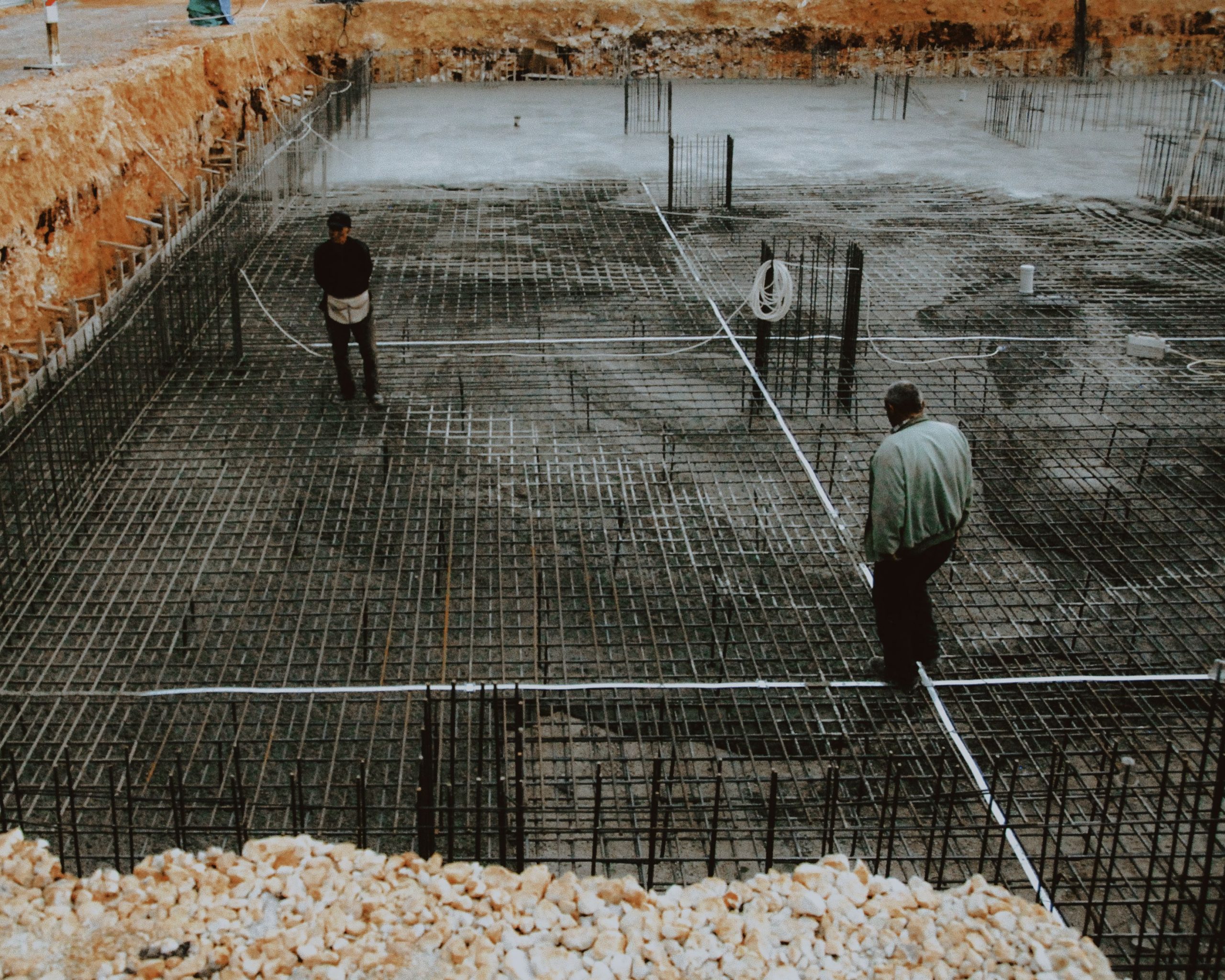
Our Project Delivery Process
PAEC manages projects through a structured five-stage process designed to create clarity, control and accountability from initial engagement through final handover. The exact activities may vary depending on the project, but the principles of assessment, planning, mobilisation, monitoring and completion remain consistent.
1. Initial Assessment
Every project begins with a clear understanding of the client’s objectives, proposed scope, project location, intended use, available information, budget expectations and desired timeline.
Where required, PAEC conducts site visits and preliminary technical assessments to understand access conditions, terrain, existing infrastructure, site constraints, logistics, material availability and other factors that may affect delivery.
At this stage, we also identify information that may still be required, such as drawings, surveys, specifications, bills of quantities, technical reports or regulatory approvals.
The objective is to establish a realistic project definition before detailed planning or major commitments are made.
2. Planning & Costing
Once the project requirements are understood, PAEC develops the delivery framework needed to move the assignment forward.
Depending on the project, this may include design coordination, technical review, scope development, quantity assessment, cost estimation, procurement planning, resource allocation, equipment requirements, logistics arrangements and programme development.
Potential risks, site constraints and critical dependencies are considered at this stage so that the project schedule and budget reflect realistic delivery conditions.
Clients are provided with a clearer understanding of what is to be delivered, what resources are required, how the work will be organised and the expected implementation timeline.
3. Mobilisation & Execution
Following approval of the project scope and commercial arrangements, PAEC moves into mobilisation and execution.
Personnel, equipment, materials and supporting resources are coordinated according to the approved programme. Site establishment, access arrangements, procurement activities and logistics are organised before or alongside the commencement of physical works.
During execution, engineering, construction, site-management and supporting teams work within clearly defined responsibilities. Activities are coordinated to maintain progress while responding appropriately to actual site conditions.
The focus during this stage is disciplined implementation of the agreed scope while maintaining appropriate supervision, safety, quality and communication.
4. Monitoring, Quality & Communication
Project performance is monitored throughout execution rather than only at the end of the assignment.
PAEC reviews progress against the agreed programme, identifies emerging technical or logistical issues, monitors workmanship and coordinates corrective actions where required.
Quality-control activities may include inspection of completed works, review of materials, workmanship checks, verification against drawings or specifications and milestone inspections appropriate to the nature of the project.
Clients are kept informed through direct communication, progress updates, coordination meetings and reporting where required.
Where changes affect cost, scope or timeline, these are communicated so that decisions can be made before the impact becomes more significant.
5. Completion & Handover
As the project approaches completion, PAEC reviews the delivered works against the agreed scope and identifies any outstanding items that require attention.
Final inspections and corrective works are completed where necessary before formal handover.
Depending on the project, completion records may include progress documentation, inspection information, handover notes, relevant technical documents and other records required to close the assignment properly.
The objective is to ensure that both PAEC and the client have a clear understanding of what has been completed, what has been handed over and whether any post-completion obligations remain.
Project Controls
Effective project delivery depends on more than technical execution. PAEC applies practical project controls to help maintain visibility over scope, cost, schedule, documentation and key decisions throughout the assignment. These controls are adapted to the size and complexity of each project.
Cost Control
Project costs are monitored against the agreed scope, quantities, procurement requirements and approved changes. Our objective is to identify potential cost impacts early and maintain transparent communication before additional commitments are made.
Schedule & Progress Control
Project activities are planned against realistic timelines, resource availability, procurement requirements, logistics and site conditions. Progress is monitored throughout execution so that delays, dependencies and critical activities can be identified and addressed as early as possible.
Documentation & Records
PAEC maintains appropriate project records to support accountability and continuity. Depending on the assignment, this may include correspondence, drawings, quotations, site instructions, progress records, inspection information, delivery notes, change records and handover documentation.
Change & Decision Management
Construction and infrastructure projects can change as site conditions, client requirements or technical issues develop. PAEC aims to document significant changes, communicate their implications and obtain appropriate direction before proceeding where scope, cost or programme may be affected.
Quality, Safety & Site Discipline
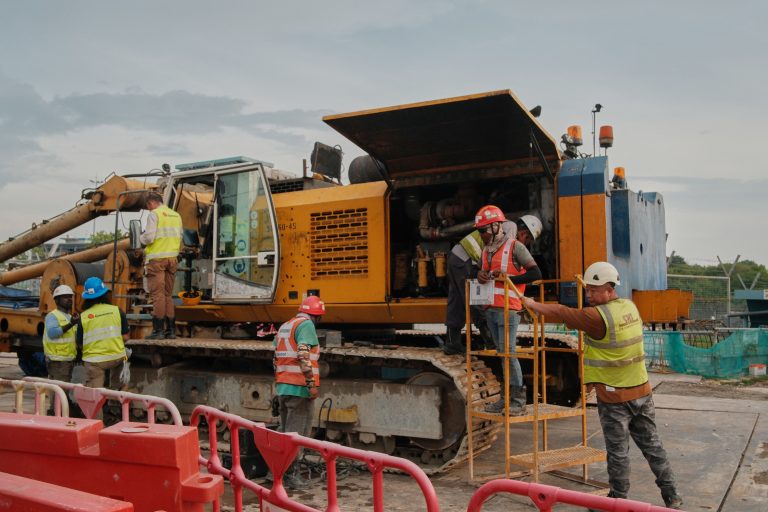
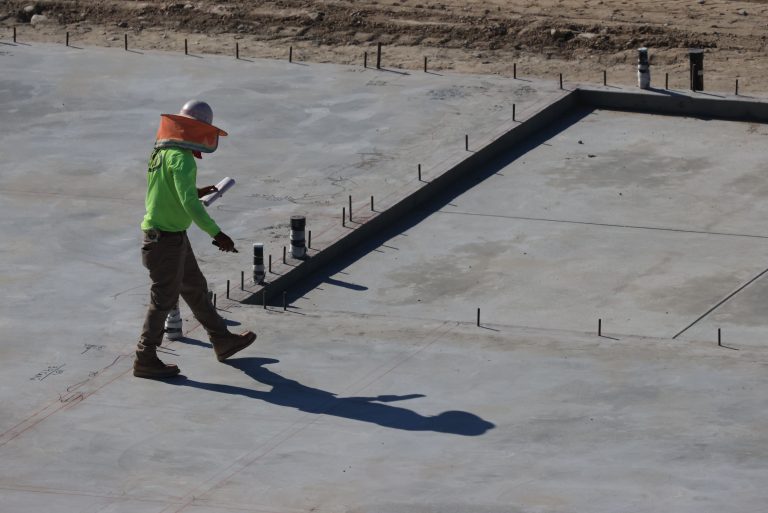
PAEC integrates quality, safety and responsible site management into the way projects are planned and executed. Our objective is to protect people, maintain workmanship standards, reduce avoidable project risk and ensure that site activities are carried out in an orderly and accountable manner.
Quality Control
Workmanship, materials and completed activities are reviewed against the agreed project requirements, drawings, specifications and accepted construction practices.
Safe Working Practices
Site activities are organised with attention to safe working procedures, appropriate personal protective equipment, supervision and awareness of project-specific hazards.
Site Discipline
Clear responsibilities, orderly work areas, controlled access, proper material handling and responsible equipment use help maintain safer and more efficient project sites.
Inspection & Corrective Action
Key activities are reviewed during implementation so that defects, non-conformities or workmanship concerns can be identified and addressed before they affect later stages of the project.
Environmental Responsibility
Where relevant, PAEC considers waste management, drainage, erosion, material handling and other environmental factors that may affect the site or surrounding community.
Request a Project Consultation
Tell us about your project and our team will review the scope, location, timeline and service requirements before advising on the next practical step.Ready to discuss an engineering, construction or infrastructure project? Share your requirements with PAEC Engineering Limited and our team will guide you on the appropriate next step.
let’s talk
Planning an Engineering, Construction or Infrastructure Project?
Whether you are planning a building project, civil works, road or infrastructure development, petroleum field-support assignment, property development or project-logistics requirement, PAEC Engineering Limited is ready to understand your needs and help define the appropriate way forward.
Share your project location, scope, expected timeline and any available technical information so our team can review the requirement properly.